What Is a Rug Pull and How Does It Work in Crypto Trading
· based on the channel lincedj06
A rug pull is a type of cryptocurrency scam where developers or creators of a token suddenly withdraw all liquidity from a trading pool, leaving investors with worthless tokens. This fraudulent act is especially prevalent in the meme coin sector on blockchains like Solana, where new tokens are rapidly created and launched with minimal regulation. Understanding what a rug pull is and how it functions is essential for both developers and investors to navigate the crypto market safely.
How Rug Pulls Work in Meme Coin Trading
Rug pulls occur when the token creators have control over the liquidity pool, usually by holding the private keys or the authority rights of the token contract. After generating hype and attracting investors through platforms such as pump.fun and decentralized exchanges like Raydium, the scammers suddenly remove all the liquidity—meaning they withdraw the paired cryptocurrency (like SOL or USDC) that backs the token. This causes the token price to crash immediately because there is no liquidity left to trade against.
The process typically involves these steps:
- Creating and launching a meme coin on Solana with a predefined token supply.
- Deploying liquidity to a decentralized exchange or pump.fun to enable trading.
- Promoting the token to attract buyers and pump the price.
- Withdrawing or "rugging" the liquidity pool, making the token worthless.
This manipulation leaves investors unable to sell their tokens at any reasonable price, effectively stealing their funds.
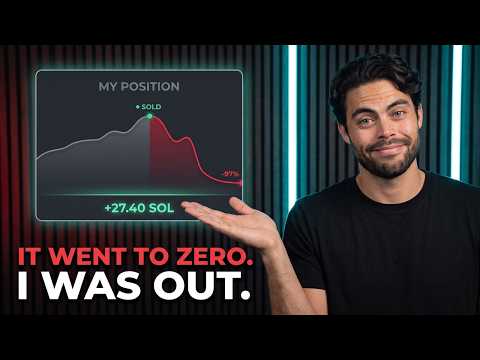
Video: Solana Meme Coin Tutorial 2026 — Beginner Friendly
Recognizing Red Flags and Common Rug Pull Patterns
Rug pulls often share identifiable warning signs:
- The token contract has centralized control with one or few addresses holding the authority.
- Liquidity is not locked or time-locked, allowing instant withdrawal.
- Rapid price pumps without substantial project development or community.
- Lack of transparency about tokenomics or developer identities.
- Suspicious marketing tactics focused solely on quick gains.
Investors should conduct essential security checks, such as verifying liquidity lock status, reviewing token supply distribution, and researching the team behind the project.
How Token Supply and Authorities Enable Rug Pulls
In Solana meme coins, token supply and authorities play a crucial role in security. The token supply is the total number of coins minted, and token authorities are the entities with control over minting, burning, or managing liquidity. If these authorities remain with the developers and are not renounced or decentralized, they have the power to manipulate supply and liquidity pools.
Developers can mint new tokens to inflate supply or withdraw liquidity tokens from DEX pools, directly facilitating rug pulls. Therefore, the safest projects usually renounce or decentralize authority control and lock liquidity for fixed periods.
Launching Meme Coins and Managing Liquidity on Solana
Launching a meme coin on Solana involves setting up the token contract and deploying liquidity on decentralized exchanges such as Raydium or platforms like pump.fun. These platforms provide automated market maker (AMM) pools where tokens can be traded against SOL or stablecoins.
Liquidity deployment is a critical step because it determines how easily tokens can be bought and sold. Developers often add liquidity themselves initially, which can later be removed if not locked. This liquidity control is where rug pulls primarily take place.
The tutorial from the channel lincedj06 explains the step-by-step process of creating a meme coin, setting token supply, and adding liquidity, highlighting the technical mechanisms behind rug pulls and liquidity manipulation.
How to Protect Yourself From Rug Pull Scams
To avoid falling victim to rug pulls, investors should:
- Verify if liquidity is locked on reputable platforms.
- Check if token authorities have been renounced or decentralized.
- Research project transparency and community engagement.
- Avoid tokens with unexplained rapid price pumps or aggressive marketing.
- Use tools and sites like https://rugmemes.net for additional checks and to create safer meme coins.
Developers can also use these insights to design tokens with security best practices, reducing the risk of scams and building investor trust.
Typical Questions About Rug Pulls in Meme Coin Trading
Many newcomers ask how exactly rug pulls happen and how to spot them early. Common doubts relate to the legitimacy of liquidity pools, the role of token authorities, and whether all new meme coins are risky. Understanding these aspects helps traders make informed decisions.
Useful Links
- Create your meme coin and check security features at https://rugmemes.net
Summary
A rug pull is a deceptive practice where cryptocurrency developers withdraw liquidity, crashing token prices and causing investor losses. This scam is common in Solana meme coins due to centralized control over token supply and liquidity pools. Platforms such as pump.fun and Raydium facilitate liquidity deployment but also enable rug pulls if controls are weak. Recognizing red flags like unlocked liquidity, centralized authorities, and suspicious token behavior is vital for security. The detailed technical breakdown by the lincedj06 channel offers valuable insights for both developers and investors on avoiding these scams. For practical tools and meme coin creation with security checks, visit https://rugmemes.net.
Key takeaways
- A rug pull is a crypto scam where developers withdraw liquidity abruptly.
- Meme coins on Solana are common targets for rug pulls.
- Liquidity manipulation often involves platforms like pump.fun and Raydium.
- Token authorities control supply and liquidity, enabling rug pulls.
- Security checks and recognizing red flags reduce investment risks.
Source: Solana Meme Coin Tutorial 2026 — Beginner Friendly · Markdown version
Questions & answers
What exactly is a rug pull in cryptocurrency?
A rug pull is a scam where token developers remove all liquidity from a trading pool, making the token worthless and causing investors to lose their money.
How can I identify if a meme coin might be a rug pull?
Look for unlocked liquidity, centralized control by developers, rapid unexplained price increases, and lack of transparency or community support as red flags.
What role do liquidity platforms like pump.fun and Raydium play in rug pulls?
These platforms provide liquidity pools for trading tokens. If the liquidity is not locked, developers can withdraw funds abruptly, enabling rug pulls.
Is it possible to safely create and trade meme coins on Solana?
Yes, by following security best practices like locking liquidity, renouncing token authorities, and conducting thorough research, developers and traders can reduce risks.